
The floor display is the most common format in CPG and beverage retail rollouts — and also one of the easiest to get wrong. This guide covers the main types of floor displays, the materials they’re built from, where they perform best, and what separates a display that survives a full campaign from one that falls apart halfway through.
Introducing floor displays as the most common format in rollouts of Consumer Packaged Goods (CPG) and beverages sets the stage for understanding their vital role in retail. In this comprehensive guide, we will delve into the types of floor displays, the materials used in their construction, and the best practices for retail teams. We will also discuss when to use floor displays versus other formats like endcap and pallet displays and explore what makes a floor display successful in the store environment, focusing on load capacity, assembly time, and durability.
What Is a Floor Display, Exactly?
A floor display, also known as a floorstand, is a freestanding fixture used to showcase products in retail environments. Unlike traditional shelving, floor displays are strategically placed in high-traffic areas to capture consumer attention and drive impulse purchases. They typically feature eye-catching graphics and branding, designed to promote specific products or seasonal items.
Floor displays are versatile and can be used to introduce new products, promote special offers, or highlight bestsellers. Their strategic placement in the store aims to maximize visibility and encourage shoppers to interact with the displayed items. Given their prominence, floor displays play a crucial role in influencing purchasing decisions and boosting sales.

One of the key advantages of floor displays is their ability to stand out in a crowded retail space. Unlike aisle shelving, which can become cluttered and overwhelming, floor displays offer a dedicated space for featured products. This makes it easier for customers to notice and engage with the items, ultimately leading to increased sales and brand awareness.
Common Types of Floor Displays
Floor displays come in various types, each catering to different retail needs and product categories. Understanding these types can help retailers choose the most effective display for their specific requirements.
Standard Floor Displays
Standard floor displays are the most common type used in retail. They are typically made of cardboard or corrugated fiberboard and are designed for temporary promotions or seasonal campaigns. Standard floor displays are lightweight, easy to assemble, and cost-effective, making them a popular choice for short-term marketing efforts.
Pallet Displays
Pallet displays are sturdier and more durable than standard floor displays. They are typically made of stronger materials such as wood or plastic and are designed to hold larger quantities of products. Pallet displays are often used for bulk items or high-volume products, such as beverages or packaged foods. Their robust construction allows them to withstand the weight of heavier products and endure the wear and tear of a busy retail environment.
Interactive Floor Displays
Interactive floor displays incorporate technology to engage customers in a more immersive shopping experience. These displays may feature touchscreens, motion sensors, or augmented reality elements that provide additional product information or create a memorable brand experience. Interactive floor displays are particularly effective for attracting tech-savvy consumers and creating buzz around new product launches or innovative features.
Floor Display Materials: Cardboard, Coroplast, and Metal Compared
The choice of material for floor displays can significantly impact their effectiveness and longevity. Each material offers distinct advantages and disadvantages, making it essential for retailers to choose the right one based on their specific needs and goals.
Cardboard
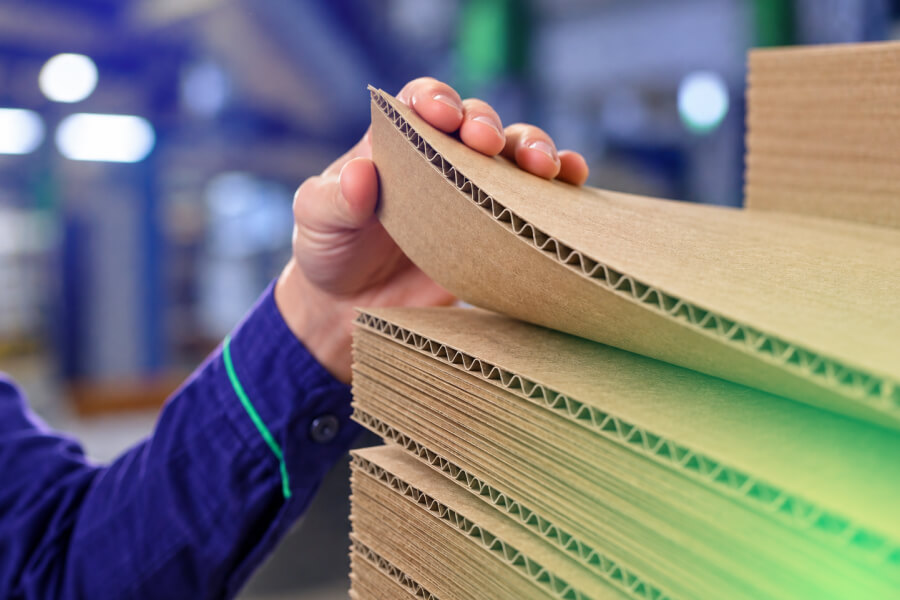
Cardboard is the most commonly used material for standard floor displays. It is lightweight, cost-effective, and easy to print on, allowing for vibrant graphics and branding. Cardboard displays are ideal for short-term promotions or seasonal campaigns, as they are inexpensive to produce and can be quickly assembled and dismantled.
However, cardboard displays have limitations in terms of durability and load capacity. They may not withstand heavy products or prolonged use, making them less suitable for long-term or high-traffic retail environments. Additionally, cardboard displays are susceptible to damage from moisture and physical impact, which can compromise their appearance and functionality.
Coroplast
Coroplast, also known as corrugated plastic, offers a more durable alternative to cardboard. It is lightweight yet sturdy, making it suitable for both indoor and outdoor use. Coroplast displays are resistant to moisture, chemicals, and UV light, ensuring that they maintain their appearance and structural integrity over time.
While Coroplast displays are more expensive than cardboard, their durability and versatility make them a worthwhile investment for longer-term promotions or high-traffic areas. They can also be easily cleaned and reused, providing additional cost savings and environmental benefits.
Metal
Metal floor displays are the most robust and durable option, capable of holding heavy products and withstanding the rigors of a busy retail environment. They are typically made of steel or aluminum and can be powder-coated or painted to match the brand’s aesthetic. Metal displays are ideal for high-volume products or long-term installations, as they offer superior strength and stability.
However, metal displays are more expensive to produce and transport due to their weight. They also require more complex assembly and may not be as visually appealing as cardboard or Coroplast displays. Despite these drawbacks, metal displays are an excellent choice for retailers looking for a long-lasting and reliable display solution.
Where Floor Displays Work Best
The effectiveness of floor displays can vary depending on the retail environment and product category. Understanding where floor displays work best can help retailers maximize their impact and achieve their marketing goals.
Convenience Stores
Convenience stores are high-traffic environments where customers often make quick, impulse purchases. Floor displays in convenience stores should be strategically placed near the entrance, checkout counters, or high-traffic aisles to capture attention and drive sales. Products such as snacks, beverages, and small household items are ideal for floor displays in this setting, as they cater to the on-the-go nature of convenience store shoppers.
Grocery Stores
Grocery stores offer a larger and more diverse shopping environment, with customers spending more time browsing and making planned purchases. Floor displays in grocery stores should be placed in key areas such as endcaps, near the entrance, or in high-traffic aisles. Products such as new food items, seasonal promotions, and special offers are well-suited for grocery store floor displays, as they encourage customers to try new products or take advantage of limited-time deals.
Liquor Stores
Liquor stores are specialized retail environments where customers often seek specific products or browse for new options. Floor displays in liquor stores should be placed in prominent locations such as near the entrance, checkout counters, or featured product sections. Products such as new or limited-edition beverages, promotional bundles, and gift sets are ideal for floor displays in this setting, as they attract attention and encourage customers to explore new offerings.
Floor Displays vs. Endcap Displays: Which to Use When
While floor displays and endcap displays are both effective merchandising tools, they serve different purposes and are best suited for different scenarios. Understanding the key differences between these two display formats can help retailers make informed decisions about when to use each one.
Floor Displays
Floor displays are freestanding fixtures that can be placed anywhere in the store, providing flexibility in terms of placement and positioning. They are ideal for high-traffic areas where they can capture the attention of passing customers and drive impulse purchases. Floor displays are particularly effective for promoting new products, seasonal items, or special offers, as they create a dedicated space for featured products and attract attention with eye-catching graphics and branding.
Endcap Displays
Endcap displays, on the other hand, are positioned at the end of store aisles, making them highly visible to customers as they navigate the store. Endcaps are typically used to promote high-margin products, seasonal items, or special promotions, as they benefit from the natural flow of customer traffic and the increased visibility of their prominent location. Endcap displays are often larger and more permanent than floor displays, making them suitable for long-term promotions or high-volume products.

Choosing the Right Display
When deciding between floor displays and endcap displays, retailers should consider factors such as product type, promotional goals, and store layout. Floor displays are ideal for short-term promotions, new product launches, or impulse purchases, as they can be easily moved and repositioned to capture customer attention. Endcap displays, on the other hand, are better suited for long-term promotions, high-margin products, or seasonal items, as they benefit from their prominent location and increased visibility.
Why Most Floor Displays Don’t Survive the Campaign
Despite their potential to drive sales and boost brand awareness, many floor displays fail to survive the duration of their intended campaign. Understanding the common reasons for this can help retailers and manufacturers create more effective and durable displays.
Poor Construction and Materials
One of the primary reasons floor displays fail to survive their campaign is poor construction and materials. Cardboard displays, while cost-effective, are often not durable enough to withstand the rigors of a busy retail environment. They can easily become damaged by moisture, physical impact, or prolonged use, leading to a compromised appearance and functionality. Investing in higher-quality materials such as Coroplast or metal can help ensure that floor displays remain intact and effective throughout the campaign.
Inadequate Load Capacity
Another common issue is inadequate load capacity. Floor displays that are not designed to hold the weight of the products they showcase can quickly become unstable or collapse. This not only compromises the appearance and effectiveness of the display but can also pose a safety hazard to customers and staff. Ensuring that floor displays are designed with appropriate load capacity and structural integrity can help prevent these issues and ensure a successful campaign.
Improper Assembly and Maintenance
Improper assembly and maintenance can also contribute to the failure of floor displays. Displays that are not assembled correctly may be prone to instability or damage, while those that are not properly maintained can quickly become worn or dirty. Providing clear assembly instructions and training staff on proper maintenance practices can help ensure that floor displays remain in good condition throughout the campaign.
Custom Floor Displays: What’s Actually Customizable
Custom floor displays offer retailers the opportunity to create unique and tailored solutions that align with their brand and marketing goals. Understanding what elements can be customized can help retailers make the most of their investment and create impactful displays.
Design and Graphics
One of the most customizable elements of floor displays is the design and graphics. Retailers can work with designers to create eye-catching and brand-aligned visuals that attract customer attention and convey key messaging. This includes customizing colors, logos, images, and text to create a cohesive and impactful display that stands out in the retail environment.
Size and Shape
Floor displays can also be customized in terms of size and shape to accommodate specific products or fit within particular store layouts. This includes creating displays with unique shapes, dimensions, or configurations that enhance product visibility and accessibility. Customizing the size and shape of floor displays can help retailers create a more tailored and effective solution that maximizes the impact of their marketing efforts.
Materials and Construction
Retailers can also customize the materials and construction of floor displays to meet their specific needs and goals. This includes choosing materials such as cardboard, Coroplast, or metal based on factors such as durability, cost, and environmental considerations. Additionally, retailers can work with manufacturers to create displays with specific structural features, such as reinforced shelves or adjustable components, to enhance functionality and load capacity.
Case Study: A Floor Display Rollout That Hit 97% Deployment
A successful floor display rollout can significantly boost sales and brand awareness, as demonstrated by a case study of a beverage company’s recent campaign. The company aimed to introduce a new product line across multiple retail locations, using custom floor displays to drive visibility and engagement.
Planning and Design
The campaign began with extensive planning and design, involving collaboration between the beverage company, a design agency, and a display manufacturer. The team worked together to create a visually appealing and structurally sound floor display that aligned with the brand’s aesthetic and promotional goals. The design featured vibrant graphics, bold branding, and interactive elements to engage customers and encourage product interaction.
Execution and Deployment
Once the design was finalized, the displays were produced and shipped to retail locations across the country. The company provided detailed assembly instructions and training for store staff to ensure proper setup and maintenance. The displays were strategically placed in high-traffic areas, such as store entrances and prominent aisles, to maximize visibility and impact.
Results and Impact
The floor display rollout achieved an impressive 97% deployment rate, with most displays successfully set up and maintained throughout the campaign. The company saw a significant increase in product sales and brand awareness, with many customers engaging with the displays and making impulse purchases. The success of the campaign demonstrated the effectiveness of well-designed and strategically placed floor displays in driving retail success.
Floor Display Checklist Before You Order
Before ordering floor displays, retailers should consider several key factors to ensure they choose the most effective and suitable solution for their needs. This checklist can help guide the decision-making process and ensure a successful floor display campaign.

Define Your Goals
Before ordering floor displays, it’s essential to define your promotional goals. Consider what you aim to achieve with the display, such as increasing product visibility, driving impulse purchases, or promoting a new product. Clearly defining your goals can help guide the design and placement of the display to maximize its impact.
Choose the Right Material
Selecting the right material is crucial for the success of your floor display. Consider factors such as durability, cost, and environmental impact when choosing between materials such as cardboard, Coroplast, or metal. Ensure that the chosen material can support the weight of the products and withstand the rigors of the retail environment.
Design for Impact
Work with a design agency or manufacturer to create a visually appealing and impactful display. Consider elements such as colors, graphics, branding, and interactive features to attract customer attention and convey key messaging. Ensure that the design aligns with your brand’s aesthetic and promotional goals.
Plan for Placement
Consider where the floor display will be placed within the store to maximize visibility and impact. High-traffic areas such as entrances, checkout counters, and prominent aisles are ideal locations for floor displays. Ensure that the display fits within the available space and does not obstruct customer flow or other fixtures.
Ensure Proper Assembly and Maintenance
Provide clear assembly instructions and training for store staff to ensure that the floor display is set up correctly and remains in good condition throughout the campaign. Regular maintenance, such as cleaning and restocking, can help ensure that the display remains attractive and functional.
Evaluate Load Capacity
Ensure that the floor display is designed to support the weight of the products it will showcase. Consider factors such as shelf strength, structural integrity, and stability to prevent the display from becoming unstable or collapsing. Choosing a display with adequate load capacity can help ensure its effectiveness and longevity.
Consider Customization
Explore customization options to create a tailored and unique floor display that aligns with your brand and marketing goals. Customizing elements such as design, size, shape, and materials can help create a more impactful and effective display that stands out in the retail environment.
Plan for Logistics
Consider the logistics of producing, shipping, and setting up the floor displays. Ensure that the displays can be easily transported and assembled, and plan for any additional costs or considerations related to logistics. Effective planning can help ensure a smooth and successful rollout.
Measure Success
After the floor displays are deployed, track their performance to measure success and identify areas for improvement. Consider metrics such as sales increases, customer engagement, and overall impact to evaluate the effectiveness of the display and inform future campaigns.
By considering these factors and following this checklist, retailers can ensure that they choose the most effective and suitable floor displays for their needs, ultimately driving sales and boosting brand awareness in the retail environment.