
POP and POS get used almost interchangeably in retail, but they’re not quite the same thing. POP (point-of-purchase) covers the full marketing experience where a buying decision happens; POS (point-of-sale) refers specifically to the checkout or payment point. This guide defines both terms, walks through common display types and materials, and helps brand and agency teams choose the right format for their next campaign.
In the bustling world of retail, the acronyms POP and POS might seem interchangeable, but they serve distinct purposes. Both are integral to the marketing and sales process, yet they operate in different spheres within the retail environment. POP, or point-of-purchase, encompasses the entire marketing experience at the point of purchase, while POS, or point-of-sale, specifically refers to the area where transactions are completed. This article will delve into the nuances of these terms, providing clarity and guidance on choosing the right display for your campaign.

POP Display vs. POS Display: The Short Answer
In essence, POP displays are broader in scope and can be found throughout the store. They aim to capture customer attention and drive purchasing decisions from various touchpoints within the retail space. POS displays, on the other hand, are strategically placed at the checkout area to capitalize on the final moments of the shopping experience, often focusing on impulse purchases. Understanding these distinctions is crucial for optimizing your marketing strategy and ensuring your displays meet their intended objectives.
Both types of displays are pivotal in influencing consumer behavior and boosting sales, but their effectiveness hinges on their placement and design. A well-executed POP display can create a memorable shopping experience and enhance brand visibility, while a POS display can increase average transaction value by prompting last-minute purchases. By combining both approaches, retailers can create a cohesive and compelling in-store experience that drives customer engagement and loyalty.
In this article, we will explore the definitions, examples, and applications of POP and POS displays, highlighting their differences and overlaps. By the end, you will have a clear understanding of which display type suits your campaign needs and how to maximize their impact in your retail environment.
What Is a POP Display?
Point-of-purchase (POP) displays are marketing materials or advertising placed in areas where customers make purchasing decisions. These displays are designed to attract attention, provide information, and ultimately drive sales. POP displays can be found throughout the store, not just at the checkout, making them a versatile tool in the retailer’s arsenal.
POP displays come in various forms, including floor displays, endcap displays, pallet displays, and counter displays. Each type serves a unique purpose and can be tailored to fit specific products and marketing goals. For example, a floor display might be used to showcase a new product line, while an endcap display could highlight seasonal promotions or best-selling items.
The primary goal of a POP display is to enhance the overall shopping experience by creating visually appealing and informative touchpoints. These displays can educate customers about product features, provide promotional offers, and create a sense of urgency. By strategically placing POP displays throughout the store, retailers can guide customers through their shopping journey and encourage additional purchases.
What Is a POS Display?
Point-of-sale (POS) displays are specifically designed for the checkout area, where transactions are finalized. These displays target shoppers in the final moments of their shopping experience, making them ideal for promoting impulse buys and small add-on items. POS displays are typically smaller and more compact than POP displays, allowing them to fit seamlessly into the limited space around the cash register.
Common examples of POS displays include countertop displays, impulse displays, and checkout displays. These displays often feature products that are easy to grab and add to the shopping cart, such as snacks, beverages, small gifts, and travel-sized items. The strategic placement of POS displays allows retailers to capitalize on the customer’s readiness to make a purchase, increasing the likelihood of additional sales.
The effectiveness of a POS display lies in its ability to catch the shopper’s eye and prompt quick, unplanned purchases. By offering convenient and tempting product options at the point of sale, retailers can boost their average transaction value and create a more profitable shopping experience. POS displays are a powerful tool for driving last-minute sales and enhancing the overall profitability of the retail space.
Where the Terms Overlap (and Where They Don’t)
While POP and POS displays serve different functions, there are areas where their purposes overlap. Both types of displays aim to attract customer attention, provide product information, and drive sales. They can be used to promote new products, highlight special offers, and create a cohesive brand experience throughout the store. However, the key difference lies in their placement and the specific stage of the shopping journey they target.
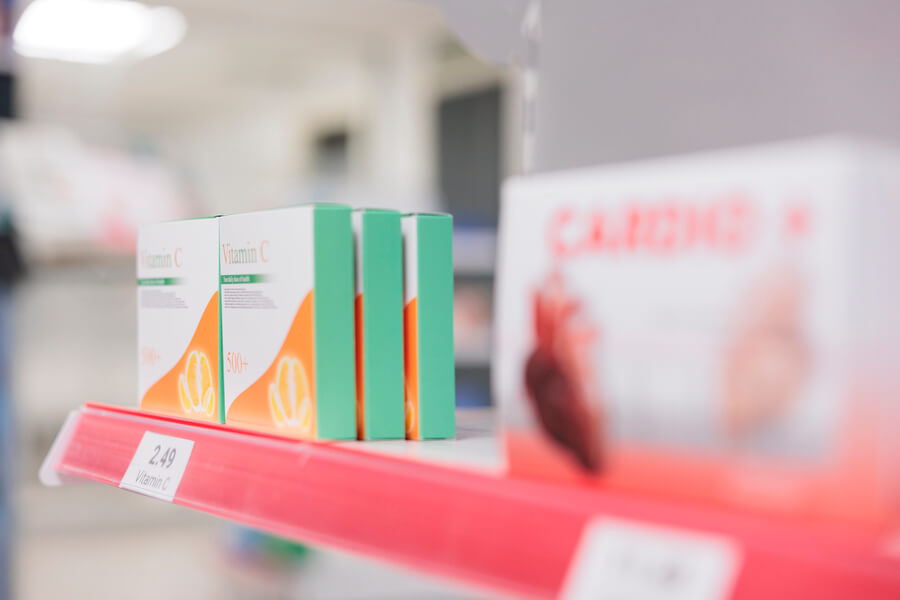
POP displays are more versatile in terms of placement and can be found throughout the store, from the entrance to the aisles and beyond. They play a crucial role in guiding customers through the shopping experience and influencing their purchasing decisions at various touchpoints. In contrast, POS displays are confined to the checkout area and focus on capturing sales at the final stage of the shopping journey.
Another distinction is the type of products typically featured in each display. POP displays often showcase a broader range of products, including new arrivals, seasonal items, and high-ticket merchandise. POS displays, on the other hand, usually highlight smaller, lower-cost items that can be easily added to the shopping cart as an afterthought. Understanding these nuances is essential for designing effective displays that align with your marketing objectives and customer behavior.
Common Types of POP Displays (Floor, Endcap, Pallet, Counter)
POP displays come in various forms, each designed to serve a specific purpose and enhance the overall shopping experience. Floor displays, endcap displays, pallet displays, and counter displays are some of the most common types used in retail environments. Each type offers unique advantages and can be tailored to fit different products and marketing goals.
Floor Displays
Floor displays are freestanding units placed in high-traffic areas of the store, such as near the entrance or along main aisles. These displays are designed to capture customer attention and create a focal point for featured products. Floor displays are ideal for showcasing new product lines, seasonal promotions, and high-margin items. Their large size and prominent placement make them effective in driving customer engagement and boosting sales.
Endcap Displays
Endcap displays are positioned at the ends of aisles, making them highly visible to shoppers as they navigate the store. These displays are often used to highlight special offers, best-selling products, and promotional items. Endcap displays are particularly effective in drawing attention to products that might otherwise be overlooked in the aisles. By placing enticing products at the end of aisles, retailers can increase the likelihood of impulse purchases and enhance the overall shopping experience.
Pallet Displays
Pallet displays are large, sturdy units that can hold a significant amount of product. These displays are typically used for bulk items, such as beverages, household goods, and large packages. Pallet displays are often placed in high-traffic areas, such as near the entrance or in the center of the store, to maximize visibility and accessibility. Their robust design and ample product capacity make them ideal for promoting bulk purchases and driving high-volume sales.
Counter Displays
Counter displays are smaller units placed on countertops or checkout counters. These displays are designed to capture the attention of customers as they complete their purchases and encourage last-minute additions to their shopping carts. Counter displays are ideal for small, high-margin items, such as candy, gum, and travel-sized products. Their strategic placement at the point of purchase makes them effective in driving impulse buys and increasing average transaction value.
Common Types of POS Displays (Checkout, Impulse, Counter)
POS displays are specifically designed for the checkout area, where they can influence customers in the final moments of their shopping experience. Common types of POS displays include checkout displays, impulse displays, and counter displays. Each type serves a unique purpose and can be tailored to fit different products and marketing goals.
Checkout Displays
Checkout displays are strategically placed near the cash register to capture the attention of customers as they wait to pay for their purchases. These displays often feature small, easy-to-grab items, such as snacks, beverages, and travel-sized products. Checkout displays are designed to capitalize on the customer’s readiness to make a purchase and encourage additional sales. By offering convenient and tempting product options at the point of sale, retailers can boost their average transaction value and create a more profitable shopping experience.
Impulse Displays
Impulse displays are placed near the checkout area to encourage spontaneous purchases. These displays often feature small, low-cost items that can be easily added to the shopping cart as an afterthought. Examples include candy, gum, magazines, and small toys. Impulse displays are designed to catch the shopper’s eye and prompt quick, unplanned purchases. Their strategic placement near the point of sale makes them effective in driving last-minute sales and enhancing the overall profitability of the retail space.
Counter Displays
Counter displays, like those used in POP marketing, are also utilized in POS settings. These smaller units are placed on countertops or checkout counters to capture the attention of customers as they complete their purchases. Counter displays are ideal for small, high-margin items, such as candy, gum, and travel-sized products. Their strategic placement at the point of purchase makes them effective in driving impulse buys and increasing average transaction value. By offering convenient and tempting product options at the point of sale, retailers can enhance the overall shopping experience and boost their bottom line.
Materials: Cardboard vs. Coroplast vs. Metal
The choice of materials for POP and POS displays can significantly impact their durability, appearance, and cost. Common materials used in the construction of these displays include cardboard, Coroplast, and metal. Each material offers unique advantages and can be selected based on the specific needs of the campaign and the retail environment.
Cardboard
Cardboard is one of the most commonly used materials for POP and POS displays due to its affordability, versatility, and ease of customization. Cardboard displays are lightweight, making them easy to transport and set up. They can be printed with high-quality graphics and designs, allowing for creative and eye-catching presentations. However, cardboard displays are less durable than other materials and may not be suitable for long-term use or heavy products. They are ideal for short-term promotions and lightweight items.
Coroplast
Coroplast, or corrugated plastic, is a durable and weather-resistant material commonly used for outdoor displays and long-term promotions. Coroplast displays are lightweight and easy to assemble, making them a practical choice for various retail environments. They can be printed with high-quality graphics and designs, providing a professional and attractive appearance. Coroplast is more durable than cardboard and can withstand exposure to moisture and harsh conditions, making it suitable for both indoor and outdoor use. However, Coroplast displays are typically more expensive than cardboard options.
Metal
Metal displays are known for their durability and strength, making them ideal for long-term use and heavy products. Metal displays can be custom-designed to fit specific products and marketing goals, providing a sleek and professional appearance. They are resistant to wear and tear, making them a cost-effective choice for high-traffic areas and long-lasting promotions. However, metal displays are heavier and more expensive than cardboard and Coroplast options. They require more effort to transport and set up, but their durability and longevity can justify the investment for certain campaigns.
How to Choose Between POP and POS for Your Campaign
Choosing between POP and POS displays for your campaign depends on several factors, including your marketing objectives, target audience, product type, and budget. Understanding the unique advantages and applications of each display type can help you make an informed decision that aligns with your campaign goals.
Define Your Marketing Objectives
The first step in choosing the right display type is to define your marketing objectives. Are you looking to increase brand awareness, drive sales, or promote a new product? POP displays are ideal for creating a comprehensive in-store experience and guiding customers through their shopping journey. They can be used to educate customers about product features, highlight special offers, and create a sense of urgency. POS displays, on the other hand, are designed to capture last-minute sales and increase average transaction value. They are ideal for promoting impulse buys and small add-on items.
Consider Your Target Audience
Understanding your target audience is crucial for selecting the right display type. Consider the shopping behavior and preferences of your customers. Are they more likely to be influenced by eye-catching, informative displays throughout the store, or are they more inclined to make impulse purchases at the checkout? POP displays can create a memorable shopping experience and enhance brand visibility, while POS displays can capitalize on the customer’s readiness to make a purchase and prompt additional sales.
Evaluate Your Product Type
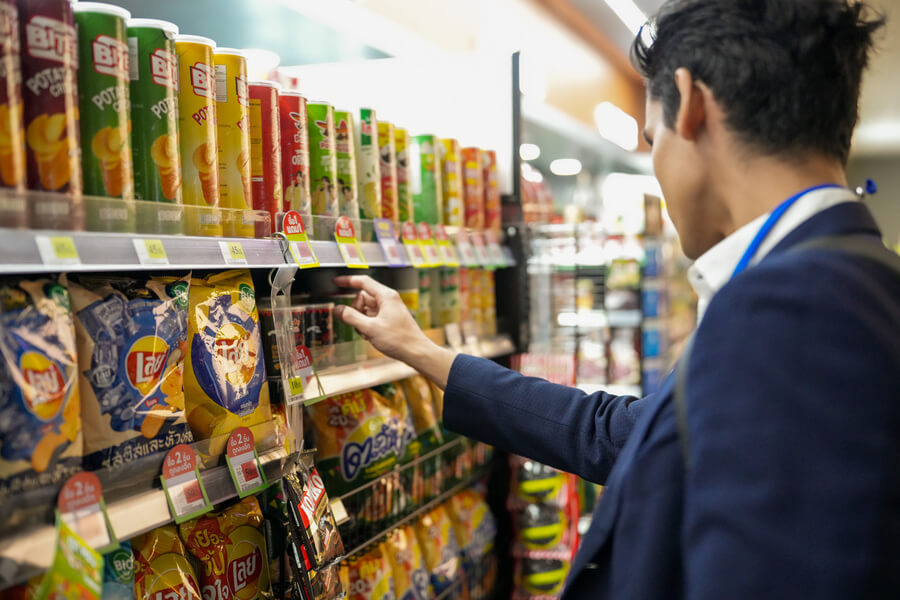
The type of product you are promoting can also influence your choice of display. High-ticket, seasonal, or new products may benefit from the broader reach and visibility of POP displays. These displays can provide detailed information and create a compelling presentation that drives interest and sales. Smaller, lower-cost items, such as snacks, beverages, and travel-sized products, are well-suited for POS displays. Their strategic placement at the point of sale can encourage quick, unplanned purchases and increase average transaction value.
Assess Your Budget
Budget constraints can also play a significant role in your decision-making process. Cardboard displays are an affordable and versatile option for short-term promotions and lightweight items. Coroplast displays offer a balance between durability and cost, making them suitable for both indoor and outdoor use. Metal displays, while more expensive, provide long-lasting durability and a professional appearance. Consider your budget and the expected duration of your campaign when selecting the appropriate material and display type.
What Makes a POP/POS Display Actually Get Deployed
The deployment of POP and POS displays involves several key factors, including design, production, logistics, and installation. Ensuring that these elements are effectively managed can maximize the impact of your displays and contribute to the success of your campaign.
Design
The design of your display plays a critical role in its effectiveness. A well-designed display should be visually appealing, informative, and aligned with your brand identity. Consider using bold colors, high-quality graphics, and clear messaging to capture customer attention and convey your marketing message. The design should also be functional, allowing for easy product access and restocking. Collaborating with a professional designer or manufacturer can help you create a display that meets your marketing goals and stands out in the retail environment.
Production
Once the design is finalized, the production process begins. Choosing the right materials and manufacturing methods is essential for creating a durable and attractive display. Work with a reputable manufacturer that can deliver high-quality displays within your budget and timeline. Ensure that the production process includes quality control measures to identify and address any issues before the displays are shipped to the retail locations.
Logistics
Logistics play a crucial role in the successful deployment of POP and POS displays. Coordinating the transportation and delivery of displays to multiple retail locations requires careful planning and execution. Work with a logistics partner that can handle the complexities of shipping, handling, and distribution. Ensure that the displays are packaged securely to prevent damage during transit and that they arrive at the retail locations on time and in good condition.
Installation
Proper installation is essential for maximizing the impact of your displays. Work with the retail staff or a professional installation team to ensure that the displays are set up correctly and in the optimal locations. Provide clear instructions and support to ensure that the displays are assembled and positioned as intended. Regular maintenance and restocking can also help keep the displays looking fresh and engaging throughout the duration of the campaign.
Custom POP Displays: What to Ask Your Manufacturer
When creating custom POP displays, working closely with your manufacturer is essential to ensure that the final product meets your expectations and marketing goals. Asking the right questions can help you gain valuable insights and make informed decisions throughout the design and production process.
What Experience Do You Have with Custom POP Displays?
Understanding the manufacturer’s experience and expertise in creating custom POP displays can give you confidence in their ability to deliver high-quality results. Ask about their past projects, client references, and any industry-specific knowledge they may have. A manufacturer with a proven track record in creating effective POP displays can provide valuable insights and recommendations for your campaign.
What Materials and Printing Options Do You Offer?
The choice of materials and printing options can significantly impact the appearance, durability, and cost of your custom POP display. Ask about the available materials, such as cardboard, Coroplast, and metal, and their suitability for your specific needs. Inquire about the printing options, including digital printing, screen printing, and offset printing, and their impact on the quality and cost of the final product. Understanding the available options can help you make informed decisions and create a display that meets your requirements.
What Is the Production Timeline and Process?
Understanding the production timeline and process is essential for planning and coordinating your campaign. Ask about the estimated production timeline, including design approval, prototyping, manufacturing, and delivery. Inquire about the steps involved in the production process and any potential challenges or delays that may arise. Having a clear understanding of the timeline and process can help you manage expectations and ensure that your displays are ready for deployment on schedule.
What Are the Costs and Payment Terms?
Discussing the costs and payment terms upfront can help you budget for your custom POP display and avoid any surprises later on. Ask for a detailed breakdown of the costs, including design, materials, production, shipping, and installation. Inquire about the payment terms and any available financing options. Understanding the costs and payment terms can help you make informed decisions and ensure that your custom POP display aligns with your budget.
What Support and Services Do You Offer?
In addition to manufacturing the display, many manufacturers offer additional support and services to help you maximize the impact of your campaign. Ask about the support and services available, such as design assistance, prototyping, logistics, and installation. Inquire about any ongoing support, such as maintenance and restocking, to ensure that your display remains effective throughout the duration of the campaign. Working with a manufacturer that offers comprehensive support can help you create a successful and impactful custom POP display.
In conclusion, understanding the differences between POP and POS displays and their unique applications can help you create effective marketing strategies and enhance the overall shopping experience. By carefully considering your marketing objectives, target audience, product type, and budget, you can choose the right display type for your campaign and maximize its impact. Working closely with your manufacturer and addressing key considerations throughout the design and production process can help you create high-quality and effective displays that drive sales and boost brand visibility.