

Convenience stores are a different kind of retail environment: less space, higher traffic, and almost no time for store staff to deal with a complicated display. For food, beverage, and snack brands selling through c-stores, that changes what actually works. This guide covers what makes a convenience store display succeed, with the Maruchan rollout — 500 stores, 97% deployment in 3 weeks — as the central case study.
Discover the secrets behind effective convenience store displays and learn how strategic shelf placement can boost sales and elevate customer experience.
Why Convenience Stores Are a Different Retail Environment
Convenience stores, often referred to as C-stores, are unique in the retail landscape due to their focus on speed, accessibility, and immediacy. Unlike supermarkets or department stores, convenience stores cater to customers who are looking for quick purchases and immediate gratification. This fundamental difference influences every aspect of their operation, especially the way products are displayed. For a convenience store, every inch of shelf space is precious and must be optimized to ensure quick turnover and high sales volume.
The typical convenience store customer is in a hurry. They might be stopping by on their way to work, during a lunch break, or while running errands. As a result, convenience stores need to make shopping as efficient and straightforward as possible. This means that product displays need to be intuitive, easy to navigate, and designed to capture attention quickly. The less time a customer spends searching for what they need, the more likely they are to make additional impulse purchases, thereby increasing the store’s overall revenue.
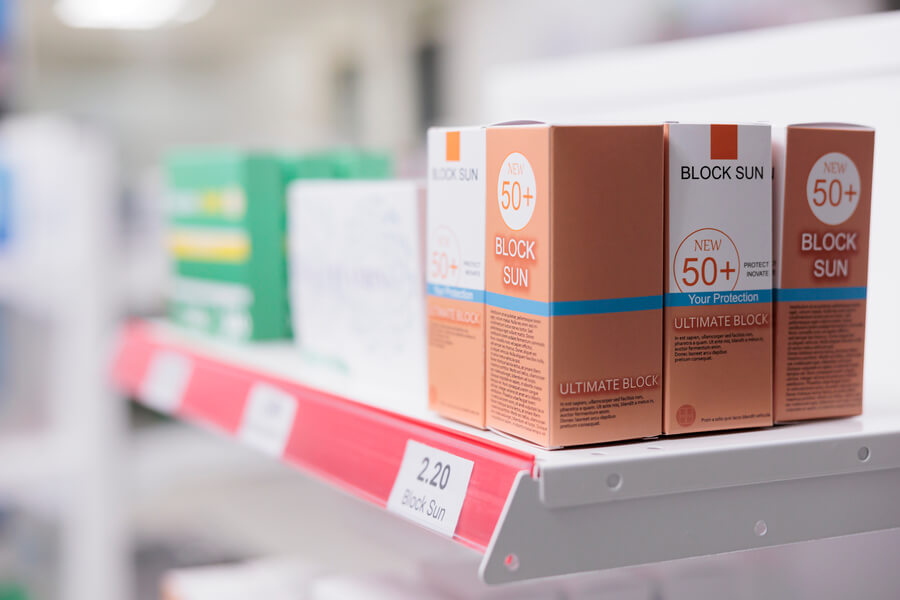
Moreover, convenience stores often have a smaller footprint compared to larger retail environments. This limited space means that every display must be meticulously planned and executed to maximize both visibility and accessibility. Products need to be displayed in a way that encourages quick decision-making, without overwhelming the customer with too many choices. Understanding these unique challenges is the first step in creating effective convenience store displays that drive sales and enhance the customer experience.
What Makes a Convenience Store Display Work (Space, Speed, Durability)
Three key factors determine the success of a convenience store display: space, speed, and durability. Each of these elements plays a crucial role in ensuring that products not only catch the customer’s eye but also remain accessible and in good condition throughout their shelf life.
Space is perhaps the most critical factor in a convenience store setting. With limited square footage, it’s essential to make the most of every available inch. This means using vertical space effectively, opting for compact but visually appealing displays, and ensuring that high-demand items are placed at eye level where customers are most likely to notice them. An efficient use of space can significantly impact a store’s ability to stock a wide variety of products without creating a cluttered or overwhelming shopping environment.
Speed is equally important in a convenience store. Customers are often in a rush, so displays need to facilitate quick and easy access to products. This can be achieved through clear signage, logical product placement, and ensuring that popular items are prominently featured. Speed also extends to how quickly staff can restock and maintain displays. The easier it is to replenish products, the less likely it is that shelves will be empty or disorganized, which can deter customers and hurt sales.
Durability is the third pillar of an effective convenience store display. High-traffic environments mean that displays are subject to constant wear and tear. Materials need to be sturdy enough to withstand frequent handling, accidental knocks, and the general hustle and bustle of a busy store. Investing in durable displays reduces the need for frequent replacements and ensures that products remain securely and attractively presented throughout their shelf life.
Convenience Store Display Racks vs. Floor Displays
When it comes to showcasing products in a convenience store, retailers have a choice between using display racks or floor displays. Each option has its advantages and can be strategically used to enhance product visibility and drive sales.
Display racks are a staple in convenience stores due to their versatility and space efficiency. These racks can be mounted on walls, placed on countertops, or integrated into shelving units. They are ideal for smaller items like snacks, beverages, and personal care products. Display racks allow for organized and accessible product presentation, making it easy for customers to find what they need quickly. Additionally, they can be strategically placed near the checkout area to encourage last-minute impulse buys.
On the other hand, floor displays are freestanding units that can be positioned anywhere within the store. These displays are particularly effective for promoting new products, seasonal items, or high-margin goods. Floor displays can be larger and more eye-catching than display racks, making them ideal for attracting attention and driving promotional campaigns. They can also be easily moved and repositioned, allowing retailers to adapt to changing store layouts or customer traffic patterns.
The choice between display racks and floor displays ultimately depends on the specific goals of the retailer and the nature of the products being sold. In many cases, a combination of both types of displays can be the most effective strategy. Display racks can provide the day-to-day organization and accessibility that customers expect, while floor displays can be used to highlight special promotions and draw attention to key products. By leveraging the strengths of both display options, convenience stores can create a dynamic and engaging shopping experience that drives sales and enhances customer satisfaction.
Convenience Store Display Ideas That Actually Move Product
Creating displays that effectively move products off the shelves and into customers’ hands requires a combination of creativity, strategic planning, and an understanding of consumer behavior. Here are some proven display ideas that can help boost sales in a convenience store setting.
One effective strategy is to create themed displays that cater to specific customer needs or occasions. For example, a «grab-and-go» breakfast display could feature items like coffee, pastries, and breakfast bars. Placing this display near the entrance or checkout area can attract busy customers looking for a quick and convenient meal option. Similarly, a «summer essentials» display could showcase items like sunscreen, bottled water, and snacks, appealing to customers preparing for outdoor activities.
Another powerful display idea is to use cross-merchandising to encourage additional purchases. This involves placing complementary products together to create a convenient shopping experience. For instance, placing chips, salsa, and guacamole together in a single display can prompt customers to buy all three items for a party or gathering. Cross-merchandising not only increases the visibility of related products but also simplifies the shopping process for customers, leading to higher overall sales.
Impulse buy displays are also crucial in a convenience store environment. These displays should be strategically placed near the checkout area, where customers are likely to make last-minute purchasing decisions. Items like candy, gum, and small snacks are perfect for impulse buy displays. Keeping these displays well-stocked and visually appealing can significantly boost sales, as customers often add these items to their purchases on a whim.
Why Setup Time Matters More in C-Stores Than Anywhere Else
In the fast-paced world of convenience stores, setup time is a critical factor that can significantly impact sales and operational efficiency. Unlike larger retail environments that may have more flexibility in their setup schedules, convenience stores need to minimize downtime and ensure that displays are up and running as quickly as possible.
One reason setup time is so crucial in convenience stores is the high volume of customer traffic. Every minute that a display is not fully operational is a missed opportunity for sales. Quick setup times ensure that products are available for purchase as soon as possible, maximizing the store’s revenue potential. Additionally, efficient setups reduce the likelihood of disruptions to the shopping experience, which can deter customers and lead to lost sales.
Another factor to consider is the limited staffing resources in many convenience stores. Store employees often have multiple responsibilities, from stocking shelves to assisting customers at the checkout. A display setup that requires extensive time and effort can strain these resources and negatively impact overall store operations. By prioritizing quick and straightforward setups, retailers can ensure that their staff remains focused on providing excellent customer service and maintaining store efficiency.
Finally, the dynamic nature of convenience store promotions means that displays may need to be frequently updated or replaced. Seasonal promotions, new product launches, and special offers all require timely and efficient display setups. Retailers who can quickly adapt to these changes will be better positioned to capitalize on new sales opportunities and maintain a fresh and engaging shopping environment. In this context, setup time becomes a critical factor in the store’s ability to stay competitive and meet customer expectations.
Case Study: 500 Convenience Stores, 97% Deployment in 3 Weeks
To illustrate the importance of efficient display setups in convenience stores, consider a case study involving a major product rollout across 500 convenience stores. The goal was to achieve widespread product visibility and drive sales within a tight timeframe. The results of this rollout highlight the impact of strategic planning and efficient execution.
The project began with a comprehensive planning phase, during which the team identified the most effective display strategies for the target stores. This included selecting durable materials, designing eye-catching displays, and developing a clear setup plan that could be easily communicated to store employees. The team also conducted training sessions to ensure that staff members were well-prepared to execute the display setups efficiently.
The execution phase was even more impressive. Within just three weeks, 97% of the 500 stores had successfully deployed the new displays. This rapid rollout was made possible by the careful planning and preparation that went into the project. The displays were designed for quick and easy assembly, and the training sessions ensured that store employees could complete the setups with minimal disruption to their other duties. As a result, the new product received immediate and widespread visibility, leading to a significant boost in sales.
This case study underscores the importance of efficient display setups in the convenience store environment. By prioritizing quick and straightforward setups, retailers can ensure that new products are available to customers as soon as possible, maximizing sales opportunities and maintaining a competitive edge. The success of this rollout demonstrates that with the right planning and execution, even large-scale projects can be completed efficiently and effectively.
Materials That Survive High-Traffic C-Store Environments
The high-traffic nature of convenience stores means that displays need to be made from materials that can withstand constant use and abuse. Selecting the right materials is crucial for maintaining the integrity and appearance of displays over time, ensuring that products remain secure and attractive to customers.
One of the most durable materials for convenience store displays is metal. Metal displays are highly resistant to wear and tear, making them ideal for high-traffic environments. They can withstand frequent handling, accidental knocks, and the general hustle and bustle of a busy store. Additionally, metal displays can be powder-coated in various colors and finishes, allowing retailers to create visually appealing displays that complement their store’s aesthetic.
Another popular material for convenience store displays is high-density polyethylene (HDPE). HDPE is a type of plastic that is known for its strength and durability. It is resistant to impact, moisture, and chemicals, making it an excellent choice for displays that need to endure harsh conditions. HDPE displays are also lightweight and easy to clean, which is an added advantage in a fast-paced retail environment where maintaining cleanliness is essential.
Acrylic is another material that is often used for convenience store displays. Acrylic displays are lightweight, shatter-resistant, and can be easily molded into various shapes and sizes. They offer a sleek and modern appearance, making them ideal for showcasing premium products or creating a high-end look. However, it’s important to note that acrylic can be prone to scratching, so it may not be the best choice for displays that will be subject to heavy handling.
By selecting materials that can withstand the rigors of a high-traffic convenience store environment, retailers can ensure that their displays remain functional and visually appealing over time. This not only helps to protect the integrity of the products being sold but also contributes to a positive shopping experience for customers.
Common Mistakes Brands Make in Convenience Store Rollouts
Despite the best intentions, brands often make several common mistakes when rolling out new displays in convenience stores. These missteps can hinder the effectiveness of the displays and ultimately impact sales. Understanding and avoiding these common pitfalls can help brands achieve more successful rollouts.
One of the most frequent mistakes is failing to tailor displays to the unique environment of convenience stores. What works in a supermarket or department store may not be effective in a smaller, high-traffic convenience store. Brands need to consider the limited space, fast-paced nature, and specific customer behaviors of convenience stores when designing their displays. Oversized or overly complex displays can create clutter and confusion, deterring customers rather than attracting them.
Another common mistake is neglecting the importance of durability. Convenience stores experience high levels of foot traffic and frequent handling of products. Displays that are not built to withstand this environment can quickly become damaged, leading to a poor presentation and potentially causing safety hazards. Investing in durable materials and sturdy construction is essential for maintaining the integrity and appearance of displays over time.
Inadequate training and communication with store staff is another pitfall that brands often encounter. Store employees play a crucial role in setting up and maintaining displays, so it’s essential that they are well-informed and properly trained. Brands that fail to provide clear instructions and support may find that their displays are not set up correctly or are not maintained as intended. This can lead to inconsistent presentation and reduced effectiveness of the displays.
By recognizing and addressing these common mistakes, brands can improve the success of their convenience store rollouts. Tailoring displays to the unique environment of convenience stores, prioritizing durability, and providing adequate training and support for store staff are key steps in achieving effective and impactful displays.
How to Brief Your Display for a Convenience Store Rollout
A well-prepared brief is essential for a successful convenience store display rollout. This document serves as a roadmap for everyone involved in the project, from designers and manufacturers to store staff. A comprehensive brief ensures that all parties are aligned and that the rollout proceeds smoothly and efficiently.
The first step in creating a brief is to clearly define the objectives of the display. What are the primary goals? Are you looking to increase sales of a specific product, promote a new item, or enhance brand visibility? Clearly articulating these objectives will guide the design and execution of the display. It’s also important to identify the target audience and understand their shopping behaviors. This information will help tailor the display to meet the needs and preferences of convenience store customers.
Next, provide detailed specifications for the display. This includes dimensions, materials, and any special features or requirements. Be sure to consider the unique challenges of the convenience store environment, such as limited space and high traffic. The display should be designed for easy assembly and durability. Include any branding elements, such as logos, colors, and messaging, to ensure consistent brand representation.
Finally, outline the timeline and logistics for the rollout. Provide a clear schedule for the production, delivery, and setup of the displays. Include any necessary training or support for store staff to ensure they can successfully execute the setup. It’s also helpful to establish a point of contact for any questions or issues that may arise during the rollout. By providing a detailed and comprehensive brief, you can ensure that everyone involved is on the same page and that the rollout proceeds smoothly and efficiently.

Convenience Store Display Checklist Before Your Next Launch
Before launching a new display in a convenience store, it’s essential to conduct a thorough review to ensure everything is in place for a successful rollout. This checklist covers key considerations to help you prepare for a smooth and effective display launch.
1. Define Objectives and Goals
- Clearly articulate the primary goals of the display (e.g., increase sales, promote a new product, enhance brand visibility).
- Identify the target audience and understand their shopping behaviors.
2. Design and Specifications
- Ensure the display is tailored to the unique environment of convenience stores (e.g., limited space, high traffic).
- Provide detailed specifications, including dimensions, materials, and special features.
- Incorporate branding elements such as logos, colors, and messaging.
3. Durability and Materials
- Select materials that can withstand the rigors of a high-traffic convenience store environment (e.g., metal, HDPE, acrylic).
- Ensure the display is sturdy and built to last.
4. Ease of Setup and Maintenance
- Design the display for easy assembly and quick setup.
- Provide clear instructions and training for store staff.
- Include any necessary tools or hardware for assembly.
5. Logistics and Timeline
- Establish a clear timeline for production, delivery, and setup.
- Coordinate with all parties involved to ensure timely execution.
- Provide a point of contact for any questions or issues.
6. Visual Appeal and Functionality
- Ensure the display is visually appealing and captures customer attention.
- Consider the placement of the display to maximize visibility and accessibility.
- Incorporate cross-merchandising opportunities to encourage additional purchases.
7. Final Review and Approval
- Conduct a final review of the display to ensure all elements are in place.
- Obtain any necessary approvals from stakeholders.
- Prepare for any last-minute adjustments or changes.
By following this checklist, you can ensure that your convenience store display is well-prepared for a successful launch. Taking the time to review and address each of these considerations will help you create an effective and impactful display that drives sales and enhances the customer experience.